Cervical (Neck) Exercises
Rehabilitation & Pain Relief Exercises
Our comprehensive collection of cervical and neck exercises designed by physical therapists to help with rehabilitation, pain management, and strengthening. These exercises target neck pain, stiffness, whiplash, cervical radiculopathy, and improve overall neck mobility and stability.
Sign up for free and see all exercises.
Get StartedCervical (Neck) Exercises
Browse our complete collection of cervical and neck exercises below. Each exercise includes clear instructions and demonstration images to ensure proper form and effectiveness.

This exercise helps improve neck posture by retracting the head.

This exercise stretches the upper trapezius muscle by pulling the head to the side.

This stretch targets the upper trapezius muscle by using your hand to apply gentle pressure to your head.

This exercise helps strengthen the neck muscles by tucking the chin while lying on your back.
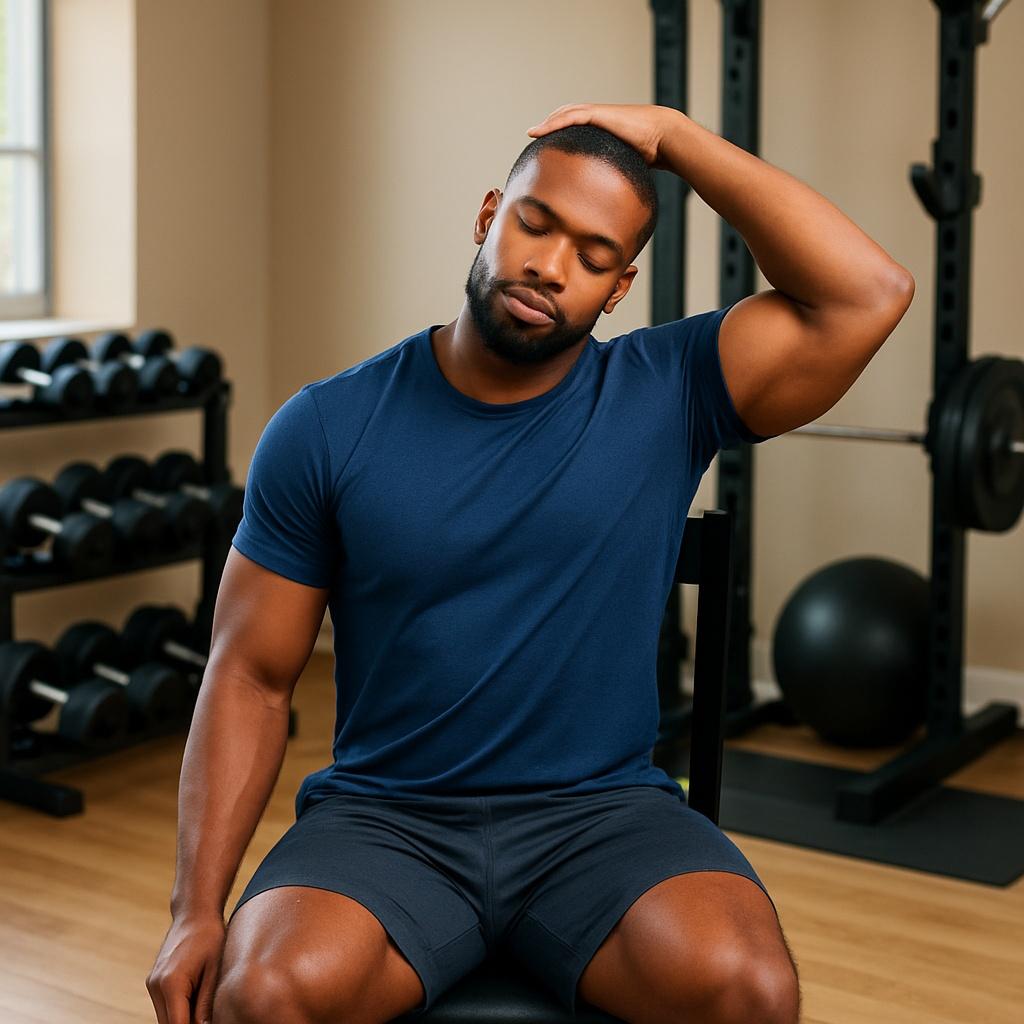
This stretch involves holding onto a chair while bending your head to the side to stretch the upper trapezius.
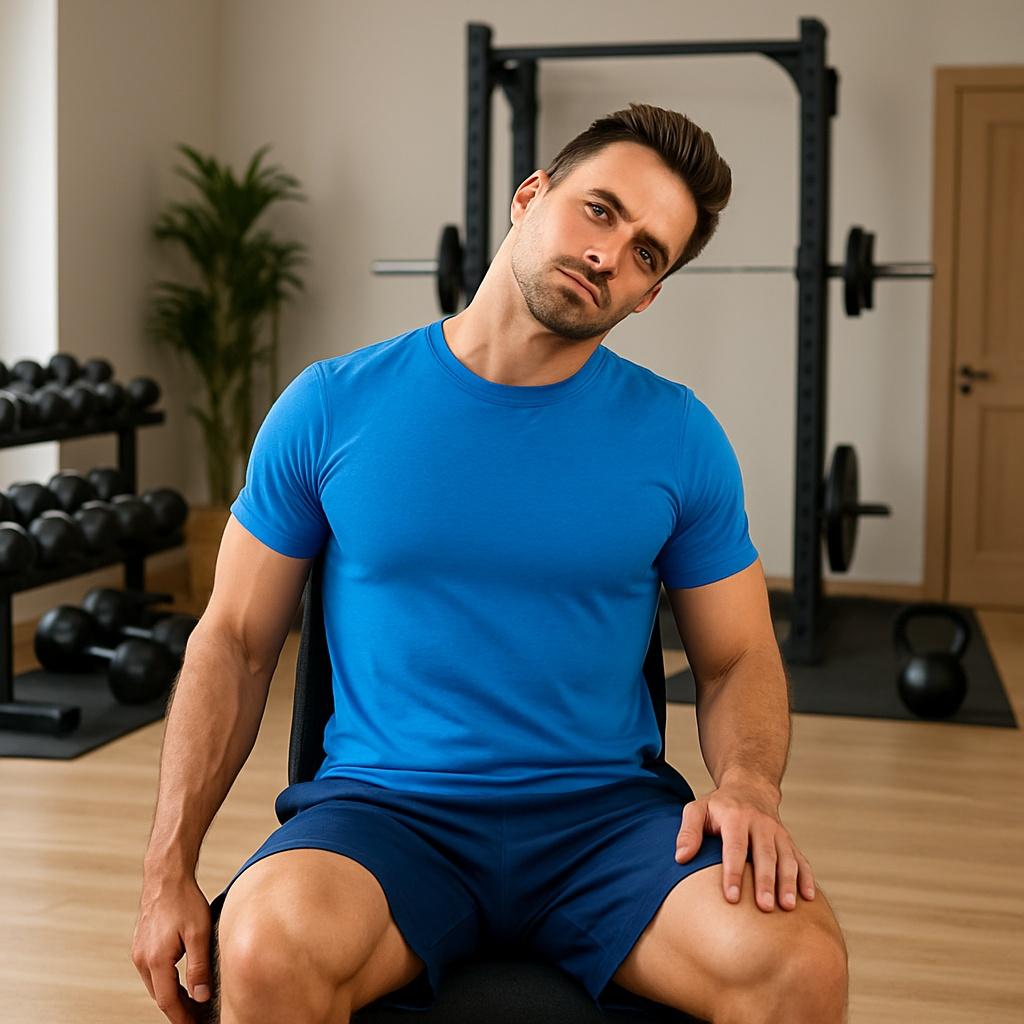
This stretch targets the upper trapezius by bending the head towards the opposite side while holding a chair.
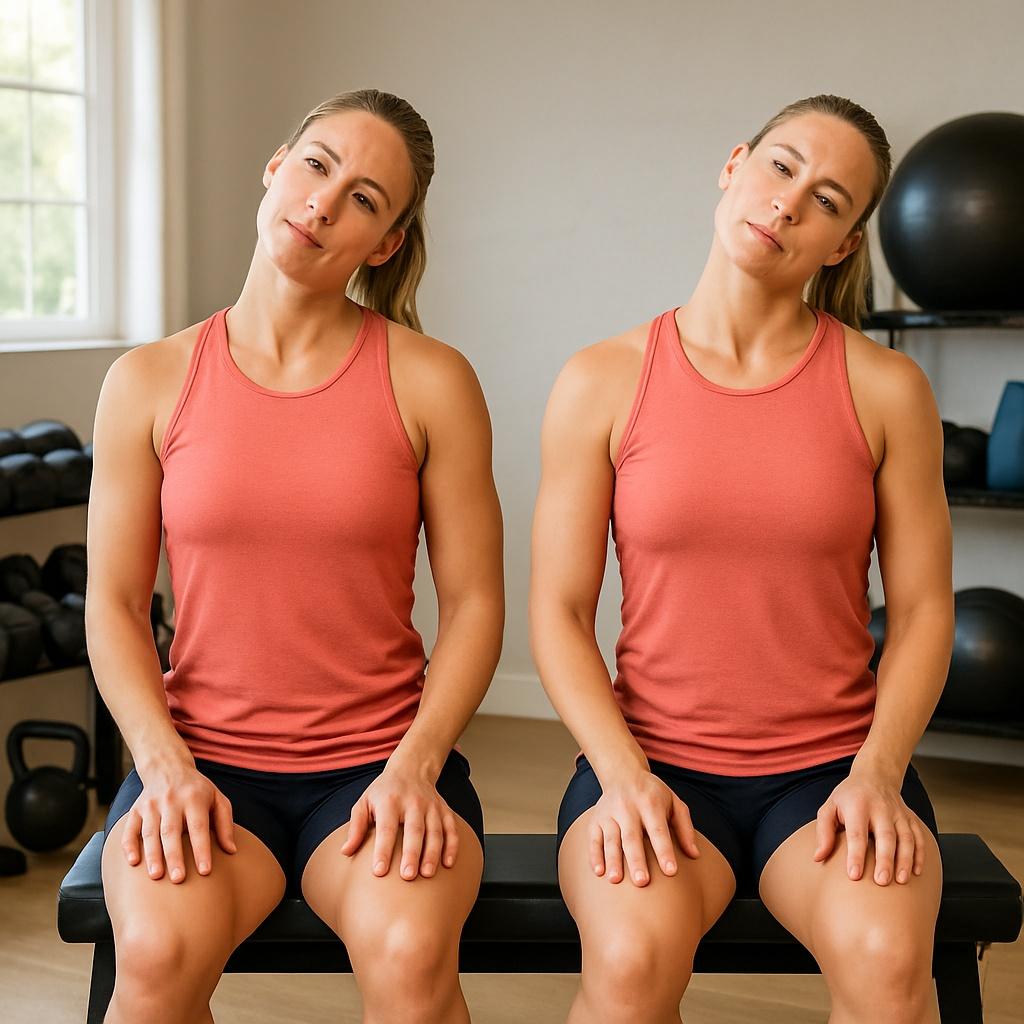
This stretch involves tucking the chin and tilting the head to the opposite side to stretch the upper trapezius.
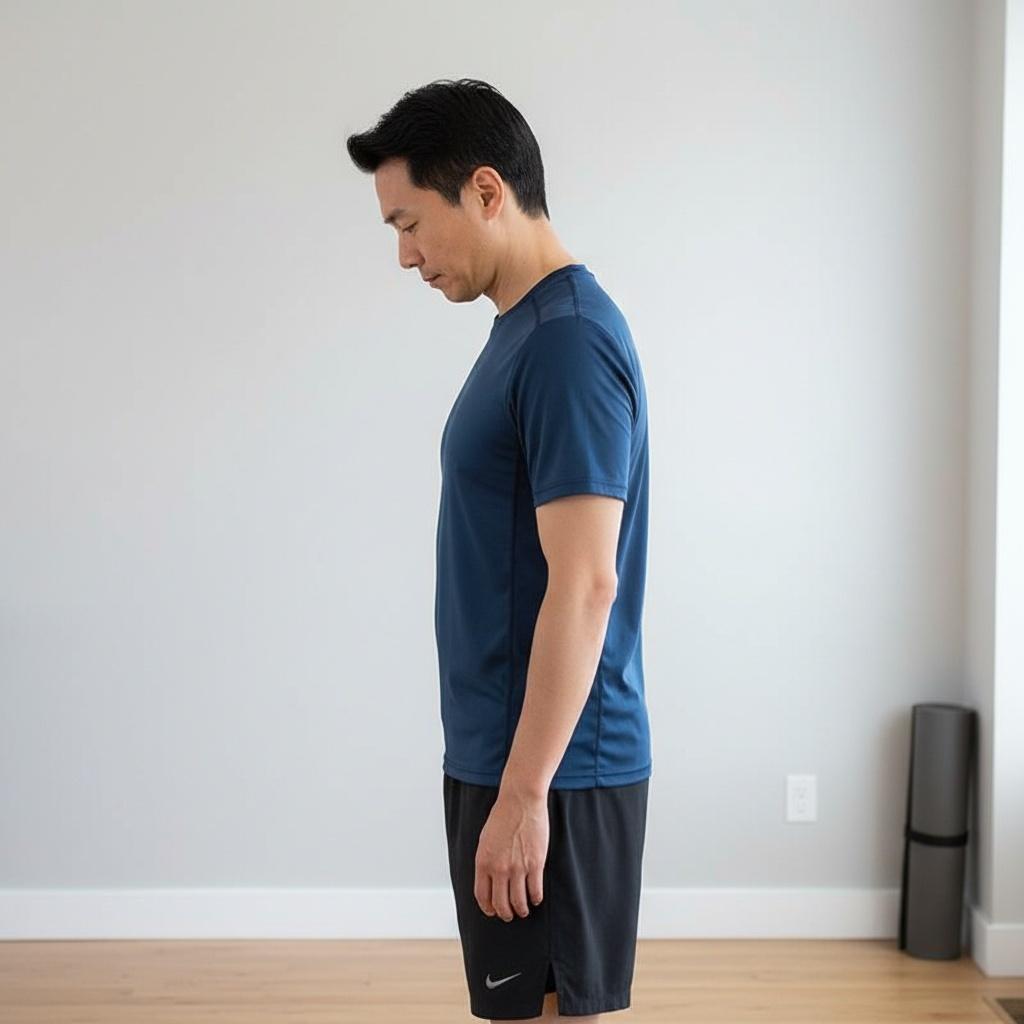
This exercise involves tilting the head downwards to improve cervical flexion.
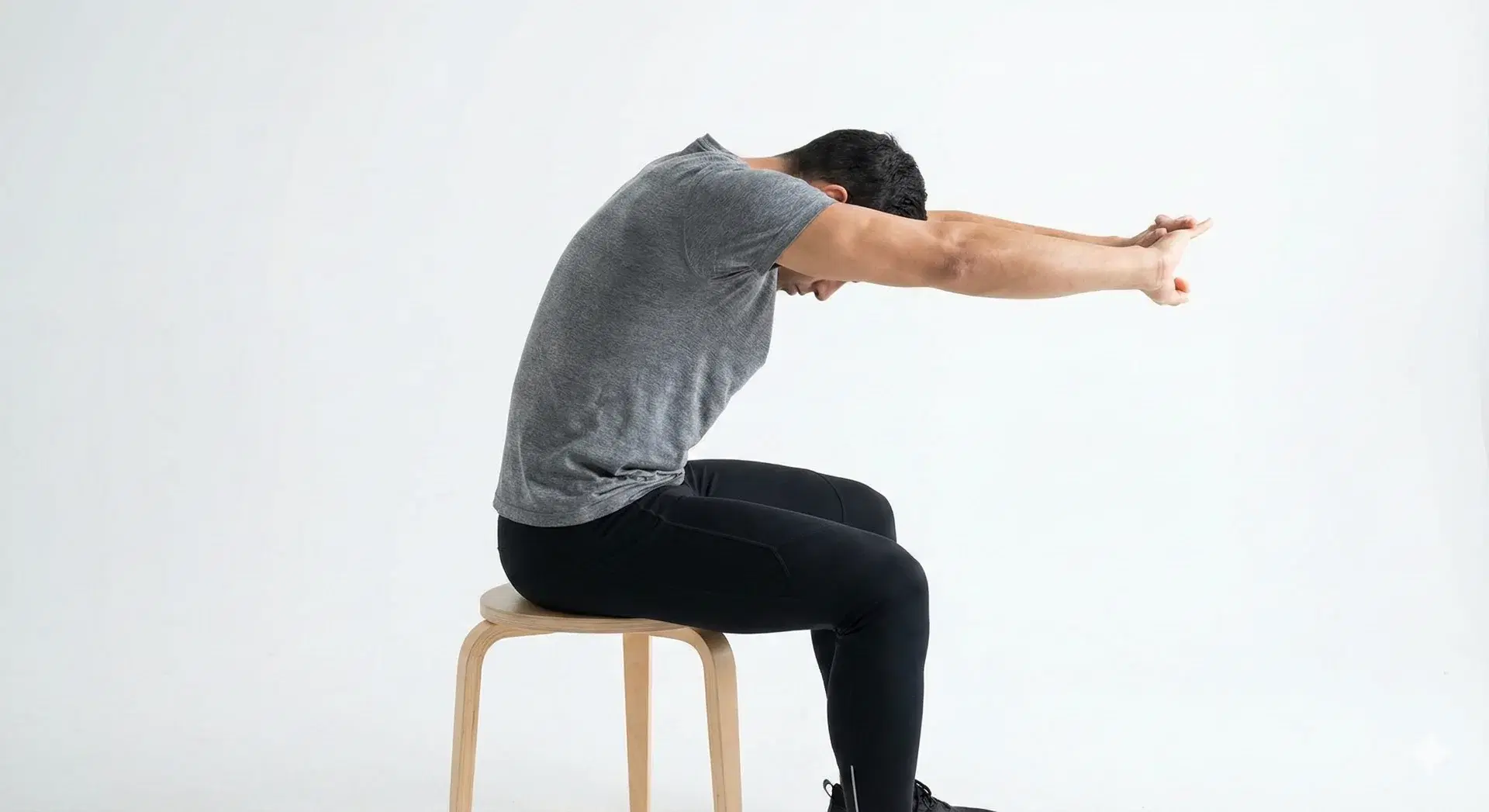
This stretch targets the rhomboids and middle trapezius by clasping hands and drawing them forward.

This exercise involves tucking the chin while lying on your back with a towel for support under the neck.
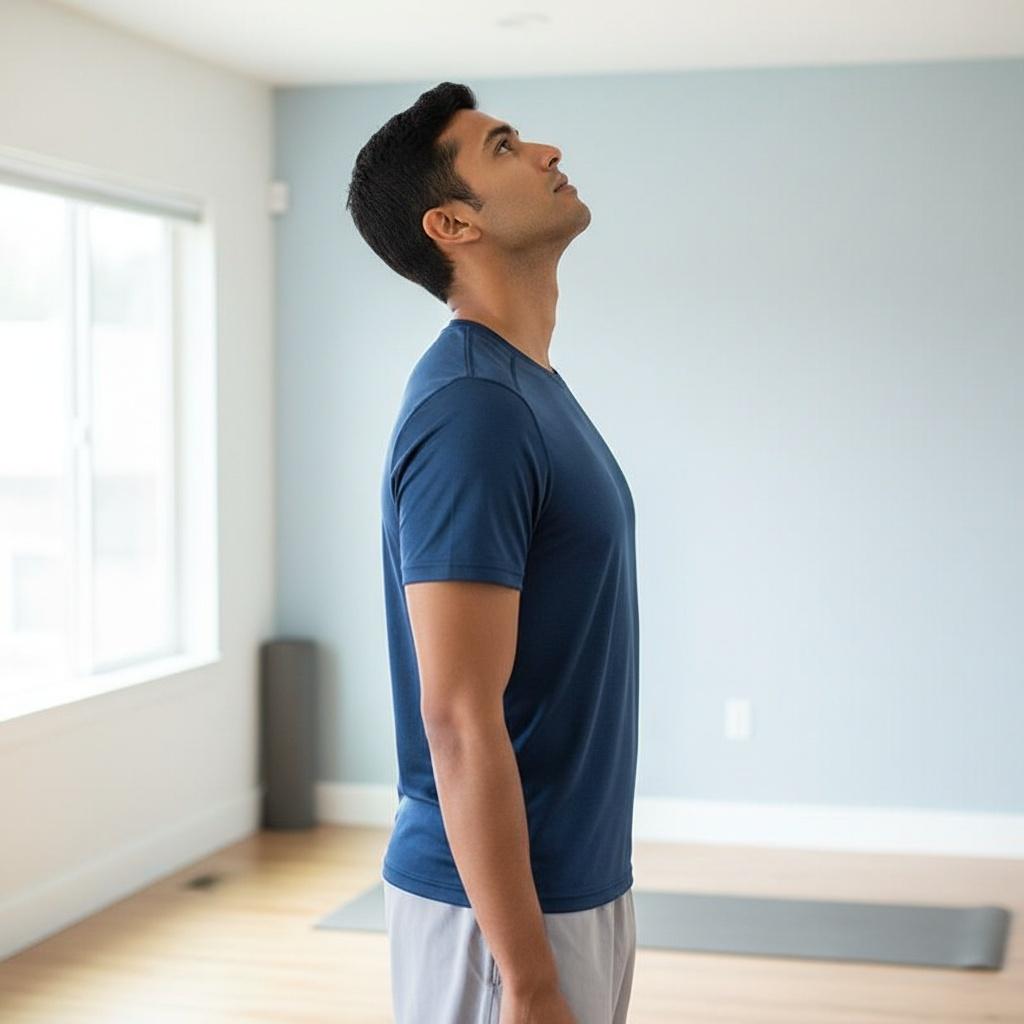
This exercise involves tilting the head upwards to improve cervical extension.

This exercise stretches the levator scapulae muscle, which can help relieve neck stiffness.

This exercise strengthens the neck muscles while promoting proper alignment and reducing forward head posture.

This exercise promotes relaxation and proper breathing mechanics, which can help reduce neck tension.

This stretch targets the levator scapulae muscle, helping to alleviate tightness and improve neck mobility.

This exercise involves rotating the head while lying on your back to improve neck mobility.

This exercise helps with cervical rehabilitation and strengthening.
This exercise helps with cervical rehabilitation and strengthening.
This exercise helps with cervical rehabilitation and strengthening.
Common Neck Conditions
Cervical Strain/Sprain
Exercises that help with cervical strain/sprain focus on promoting healing and gradually restoring proper function.
19 exercises available
Cervical Postural Syndrome
Exercises that help with cervical postural syndrome focus on improving neck mobility, stability, and function.
11 exercises available
Cervicogenic Headache
Exercises that help with cervicogenic headache focus on addressing cervical tension that contributes to headache symptoms.
16 exercises available
Cervical Muscle Tension
Exercises that help with cervical muscle tension focus on improving neck mobility, stability, and function.
22 exercises available
Cervical Instability
Exercises that help with cervical instability focus on improving neck mobility, stability, and function.
9 exercises available
Cervical Spondylosis
Exercises that help with cervical spondylosis focus on improving neck mobility, stability, and function.
11 exercises available
Cervical Radiculopathy
Exercises that help with cervical radiculopathy focus on relieving nerve compression and addressing referred pain.
8 exercises available
Cervical Myofascial Pain Syndrome
Exercises that help with cervical myofascial pain syndrome focus on reducing discomfort and addressing underlying causes.
8 exercises available
About Cervical Exercises
Cervical (neck) exercises are designed to improve mobility, stability, and strength in the cervical spine. Whether you're recovering from an injury like whiplash, managing chronic neck pain, or looking to prevent issues related to poor posture, these exercises can help maintain optimal neck function. Our collection includes exercises for various conditions including neck pain, cervical radiculopathy, whiplash, and postural issues like "text neck." Always perform neck exercises with gentle, controlled movements and stop if you experience pain.